
As the financial year comes to an end, it’s a good time to pause and take stock, not just of what you spent, but of what has worked for your business.
Prioritising investments that improve how customers pay, shop, and return – while reducing unnecessary complexity behind the scenes – is often what drives sustainable revenue over time.
With that in mind, here’s how small businesses can plan with intention for the year ahead.
1. Prioritise modern payment methods to increase completed sales
Slow checkouts, limited payment options, or unfamiliar payment flows can introduce hesitation at the worst possible moment.
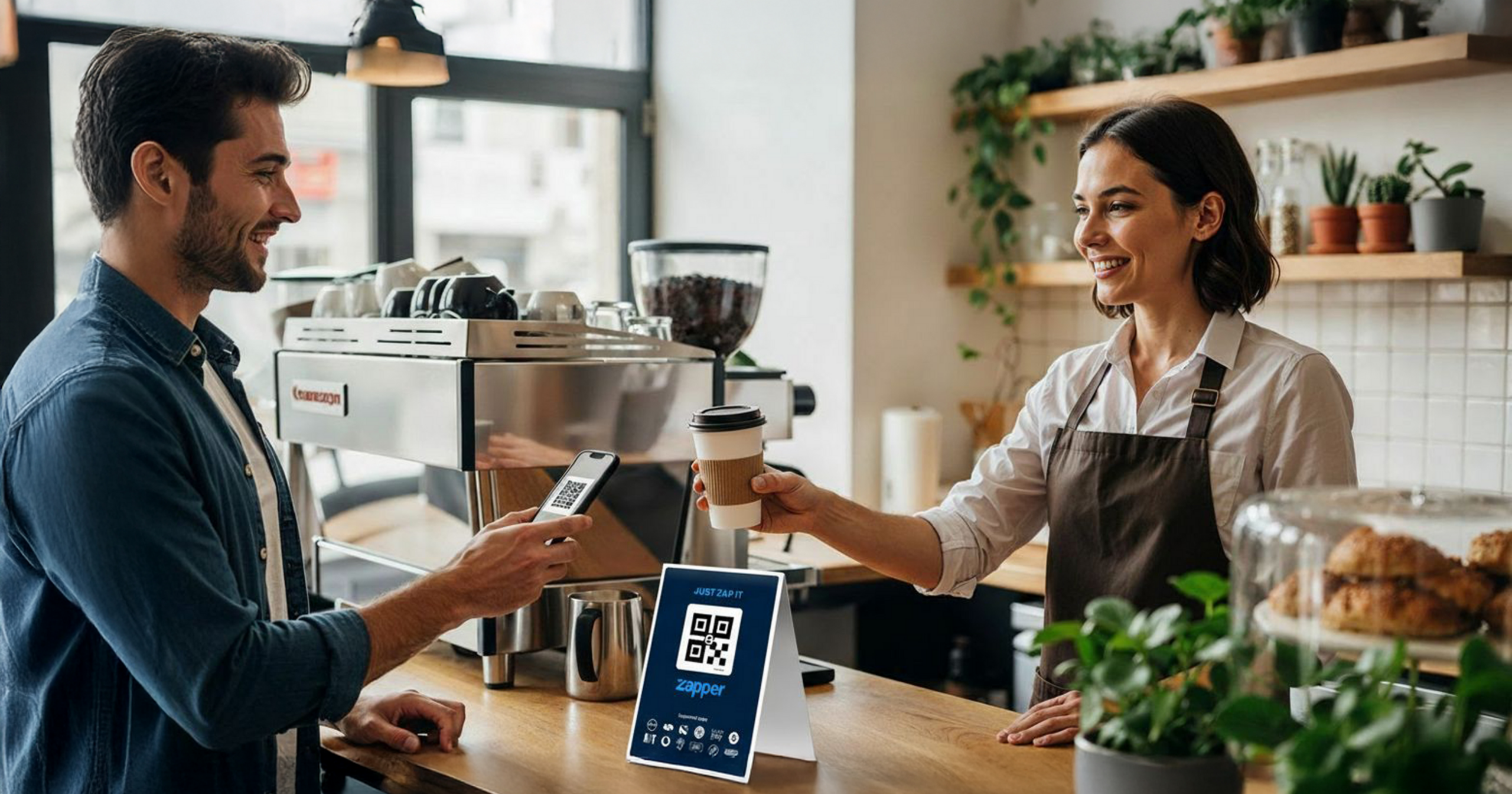
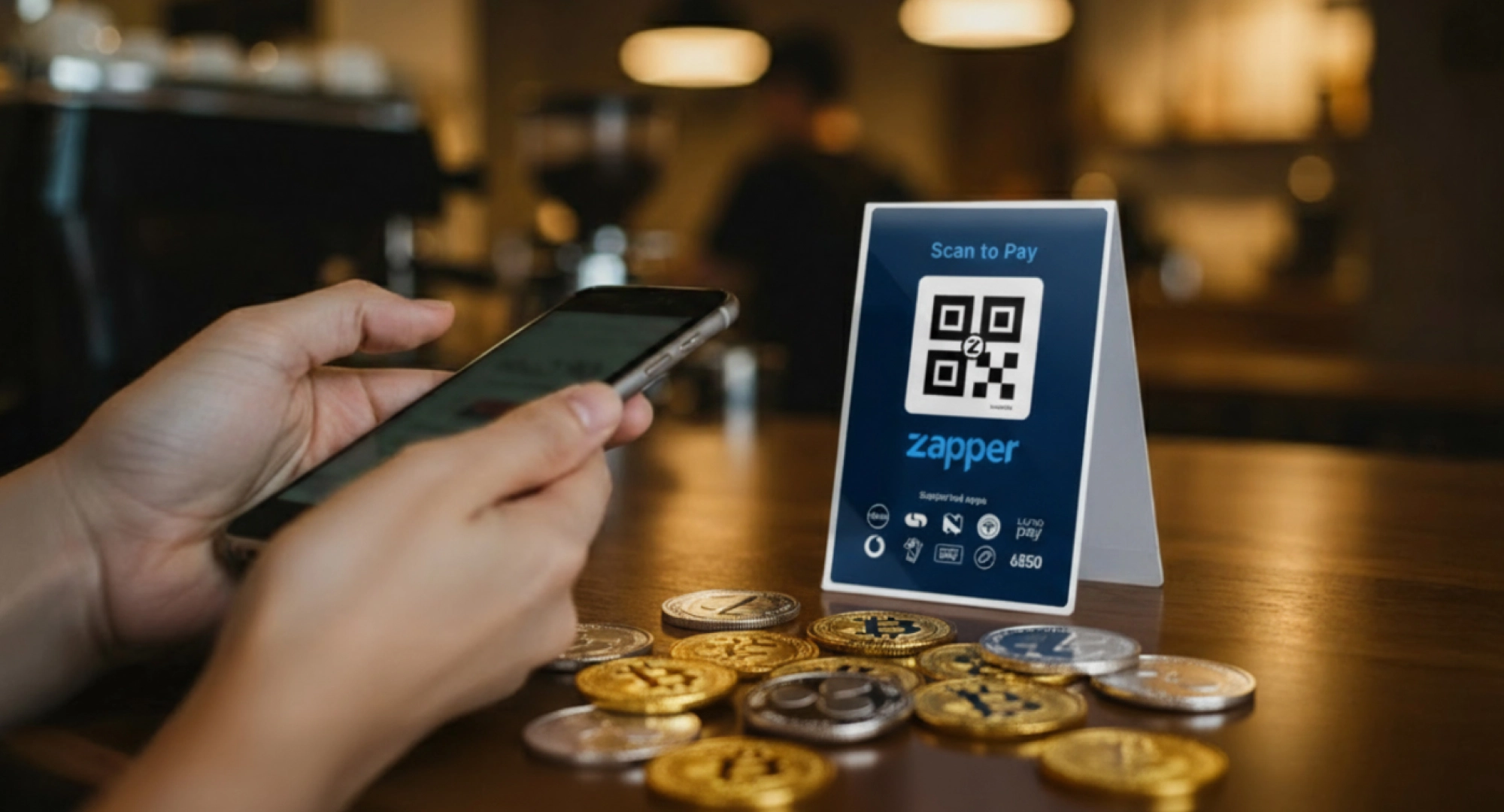
Budgeting for modern payments means prioritising speed, security, and flexibility. With Zapper, merchants can offer scan-to-pay, contactless payments, Buy Now Pay Later, and even crypto, all through a single QR code. These options help reduce queues, limit abandoned carts, and build confidence at checkout.
A useful question to ask when reviewing your budget: Are your payments helping you sell more, or are they getting in the way?

2. Optimise customer experience to increase repeat visits
Customers don’t remember every product they buy, but they do remember how easy it was to shop with you. Experience is shaped by small, practical details that add up over time.
Simple improvements such as clearer signage, quicker checkout, QR payments, and a consistent experience across in-store and online channels all build trust. They compound over time by encouraging repeat visits and positive word-of-mouth.
When budgeting, think beyond individual transactions and consider how each touchpoint feels to the customer.
3. Increase brand visibility where customers already are
Customers can’t buy from you if they can’t find you. Today, discovery often happens digitally, whether through apps, search, or platforms customers already use daily.
Visibility doesn’t always mean more advertising spend. Being present in high-intent digital spaces, where customers are already looking or paying, can be far more effective than broad, unfocused marketing.
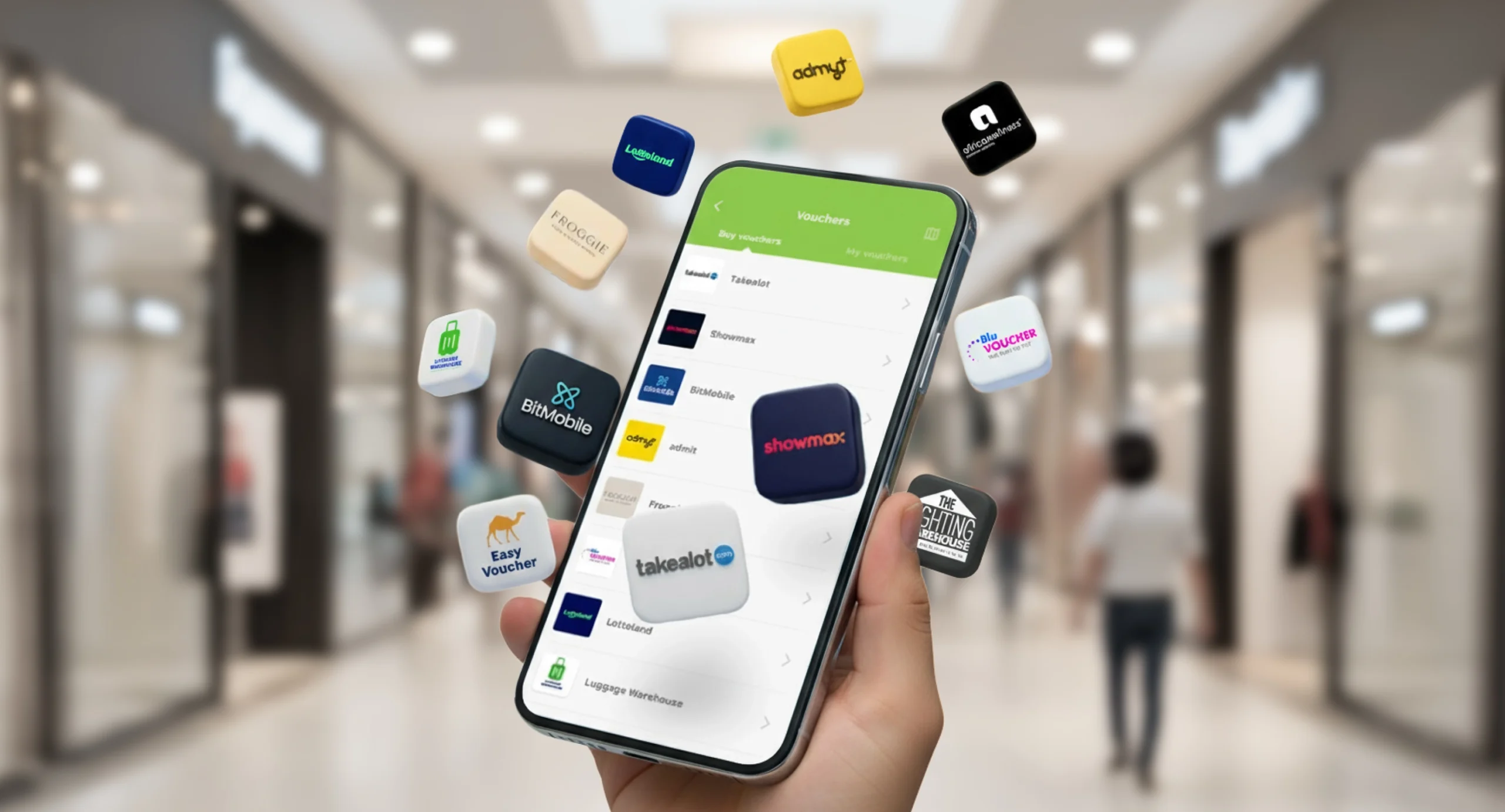
Zapper’s ZapConnect helps merchants increase visibility by targeting potential customers within a five-kilometre radius of their store and sending them personalised digital vouchers through the Zapper app. We do all the heavy lifting, and you only pay when a customer redeems and makes a purchase, not for impressions.
Merchants can also sell digital gift cards in the Zapper app, putting your local brand in front of thousands of app users already looking for a gift. It’s a practical way to drive footfall without upfront marketing risk.
A question to ask yourself is: How easily can a new customer discover my business right now?
4. Strengthen loyalty with simple, relevant rewards
Acquiring new customers is expensive. Retaining existing ones is far more sustainable, especially during quieter trading periods.
Loyalty works best when it feels simple and relevant. Digital loyalty tools, personalised rewards, and easy-to-redeem incentives tend to outperform complex programmes that require effort from the customer.
Zapper’s digital loyalty cards and voucher tools allow merchants to reward customers automatically, without physical cards or complex systems. For example, you can offer app users an automatic discount on every fifth visit.
This way, since loyalty is woven naturally into the payment or checkout experience, it becomes part of how customers shop, rather than something they have to remember to use.

5. Use smart data to guide your business decisions
Guesswork is costly. This is why merchants need data to plan with confidence.
Understanding customer behaviour, basket sizes, purchase frequency, and popular products allows you to forecast more accurately, refine promotions, and make better pricing decisions. Real-time visibility into performance also helps prevent knee-jerk reactions when sales fluctuate.
Every Zapper transaction provides access to real-time insights, including purchase frequency, basket size, and top customers. These insights help merchants forecast more accurately, refine promotions, and make informed decisions about pricing, staffing, and stock.
Ask yourself: Do you know what’s really driving your sales?
6. Maintain cash flow flexibility to support growth
Building flexibility into your budget doesn’t mean spending more. It means ensuring the right opportunities aren’t missed because of timing.
Quick Capital gives eligible Zapper merchants access to funding within 48 hours, with repayments that flex as you trade through a small percentage of your Zapper transactions. There are no fixed monthly instalments, making it easier to invest in upgrades, stock, or expansion without disrupting day-to-day operations.
For more immediate operational pressure, Supplier Capital settles supplier invoices on your behalf, so you can keep trading without interruption. You then repay gradually as sales come in, keeping your cash flow steady while maintaining supplier relationships.
Reduce unnecessary complexity and low-impact spend
The new tax year is also a good time to reassess what isn’t pulling its weight. Cutting back here creates room to invest where it matters more.
This often includes:
- Overly complex or outdated loyalty schemes
- Marketing spend that isn’t measured or tracked
- Manual admin processes that software can automate
- Hardware-heavy solutions where simpler digital tools would work better
Reducing unnecessary complexity frees up both budget and time – two resources every small business needs more of.

Planning with intention for the year ahead
The businesses that thrive in 2026 won’t necessarily be the ones that spend the most, but the ones that spend with purpose. Invest intentionally in payments, customer experience, visibility, loyalty, and data, and trim back what no longer adds value.
Log in to your Zapper merchant portal today or sign up for a Zapper Plan to set yourself up for a stronger, more confident year ahead.