Most conversations about payment trends focus on what’s coming next. But for many businesses, the issue isn’t what’s ahead. It’s what’s already happened.
Customer behaviour around payments has shifted quietly but decisively. What once felt like a “nice to have” is now expected, and anything slower or more complicated feels out of step.
This is what that looks like in practice.
1. Instant payments are now the baseline, not a bonus
Your customers no longer expect to wait to pay. A checkout that takes minutes feels inefficient rather than normal. Online, the tolerance is even lower. A few extra steps can be enough to cause someone to abandon their cart.
When paying takes too long, customers don’t always complain. However, with all the options out there, they don’t feel the need to come back either.
What this means for merchants:
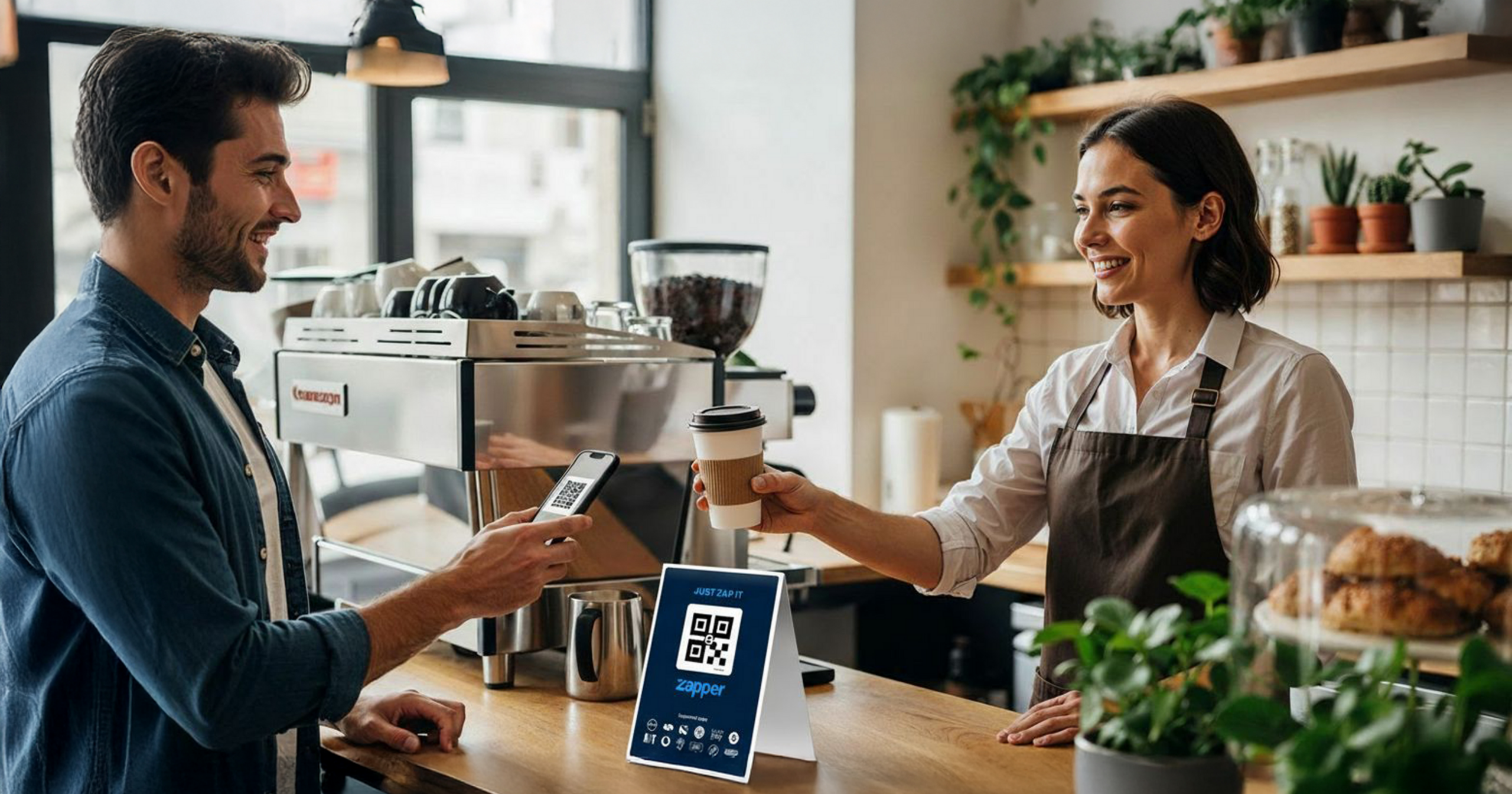
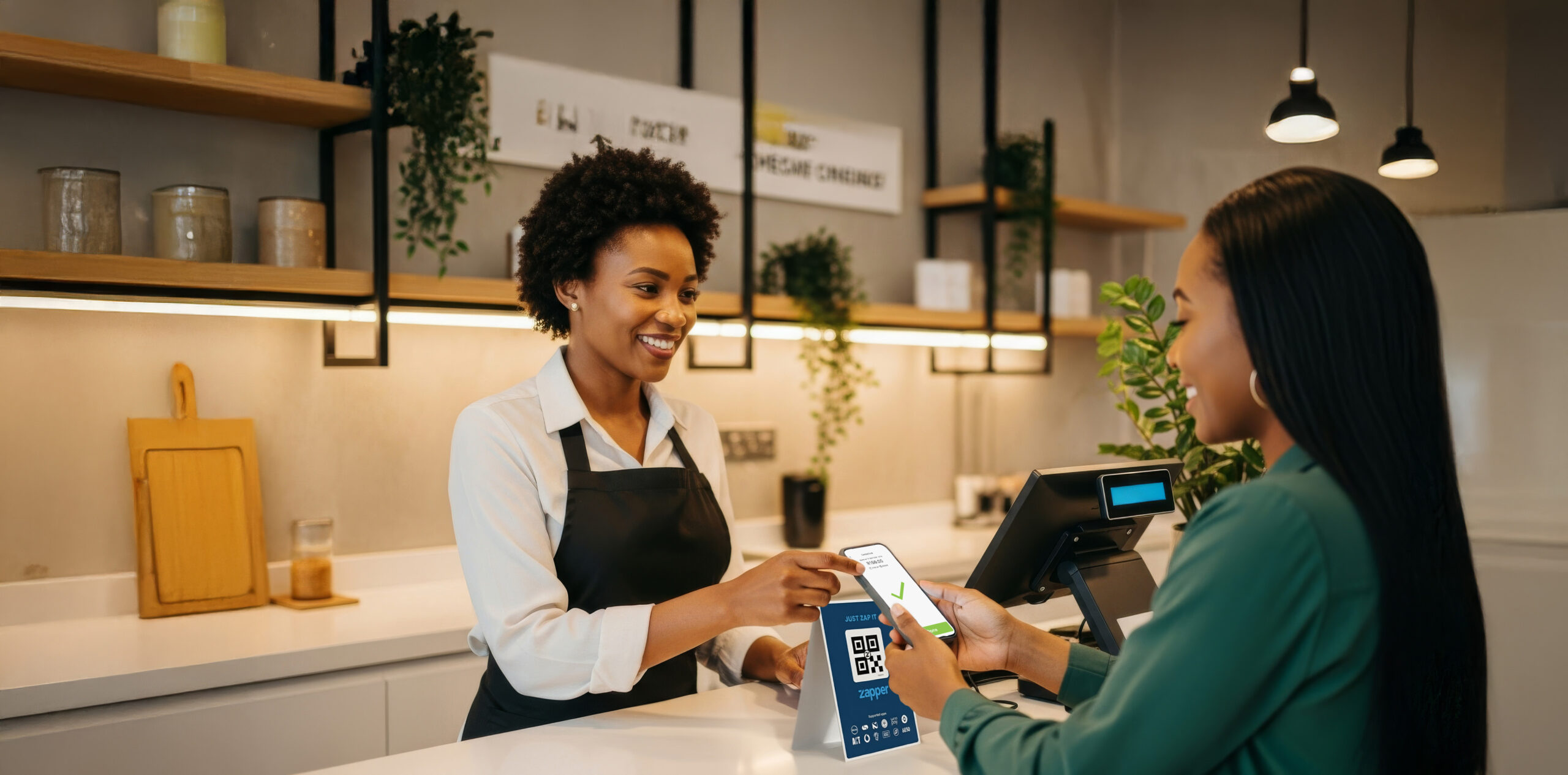
Slow checkouts cost more than time. They increase abandoned carts, create queues, and chip away at repeat visits. Merchants who reduce steps and use familiar scan-and-pay journeys, such as Zapper, create a smoother payment experience for everyone.
2. Contactless has become the default way to pay
Tapping a card, scanning a code, or paying from a phone now feels natural. Swiping or inserting cards feels dated by comparison. Customers associate contactless payments with speed, ease, and hygiene, especially in busy retail and hospitality environments.
This shift didn’t happen overnight, but by 2025, more than half of South African consumers had used smartphones and digital tap-and-pay platforms.
What this means for merchants:
Merchants who don’t support contactless options risk creating subtle delays that add up to lost sales, longer queues, and frustrated customers.
3. Digital-first journeys need to fit naturally into mobile behaviour
More and more, we’re seeing people choosing to leave their wallets at home. After all, they can use their phones to pay for that spontaneous post-run coffee or shopping run. Well, only at the businesses that support it. Which we’re seeing more and more.
What this means for merchants:
Payment options should work with tools customers trust, such as scan-to-pay and banking apps, as well as the digital wallets already on their phones. When your payment journeys don’t support digital payments, customers have the option to look elsewhere.
4. Customers expect choice at checkout, including BNPL and crypto
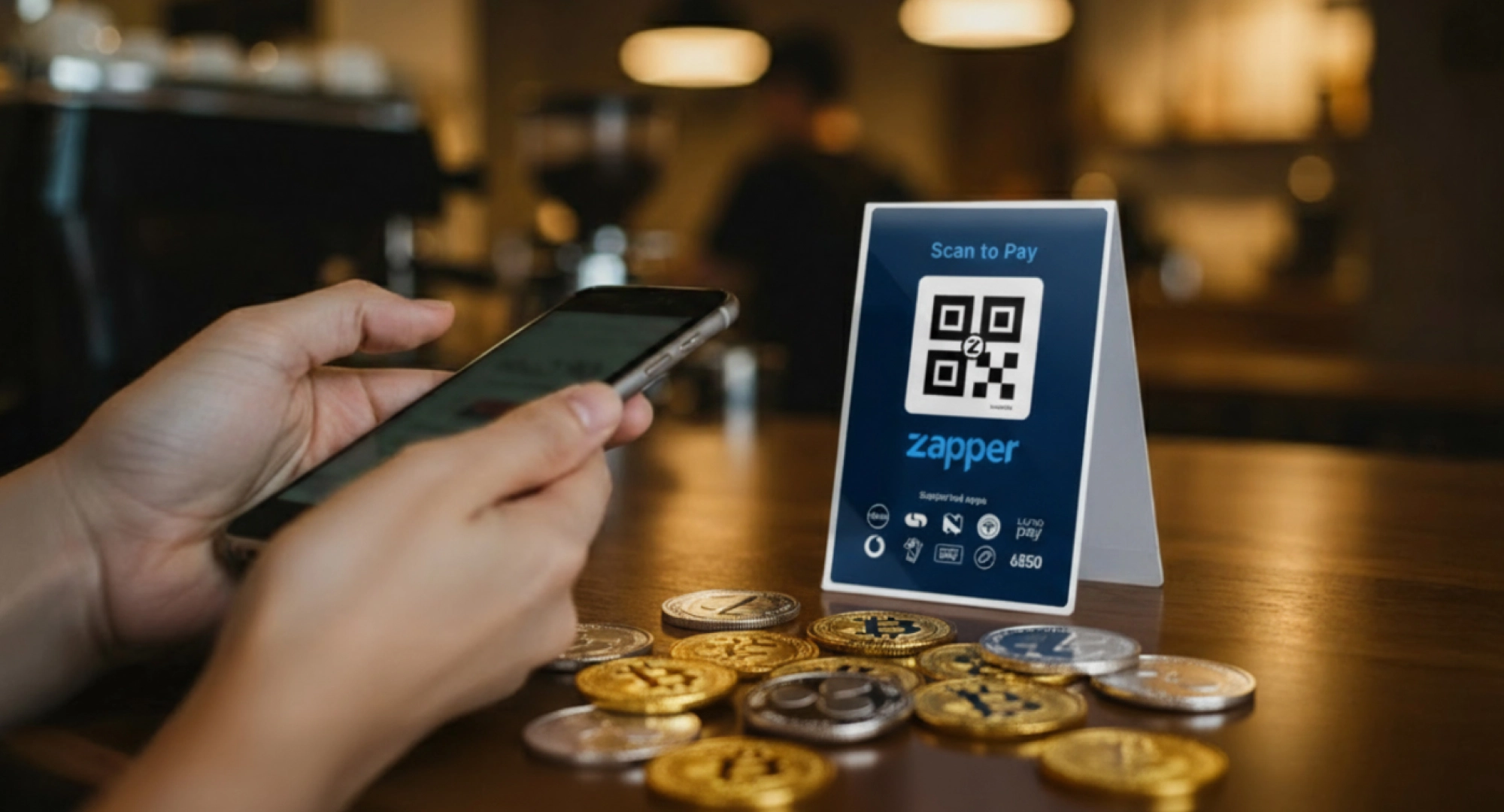
Customers increasingly expect choice at checkout. That includes traditional bank-based payments, digital wallets, Buy Now Pay Later, and newer options like crypto. It’s about meeting customers where they already are.
Every year, we see more consumers use digital wallets to store both their bank and loyalty cards. The adoption of Buy Now Pay Later is increasing rapidly for high-ticket purchases, and about 13.9 million people in South Africa already use crypto to pay at over 31,000 Zapper merchants.
What this means for merchants:
The more inclusive the checkout experience, the more encouraged your consumers will be to spend. It’s all about giving them more reason to shop from you (and return in the future). Otherwise, they will (and can) look elsewhere.
5. Convenience is replacing traditional loyalty programmes
Customers are moving away from complex loyalty schemes that require cards, points tracking, and long-term commitment. Instead, they respond to immediate, relevant value. Simple rewards, vouchers, or incentives that are easy to understand and use.
What this means for merchants:
When done right, three in four South African respondents say loyalty programmes influence them to spend more with a brand. But when it feels like admin, they ignore it. In other words, the easier the reward, the stronger the return.
How payment behaviour is already influencing customer decisions
Customers make quick judgments at checkout. This shows up in practical ways: customers might go to a different business when queues are long, spend less when payment options feel limited, and quietly choose not to return after a payment experience that felt slow.
None of these behaviours is “coming in 2026”. They are already shaping customers’ purchasing decisions. Merchants who adapt to these expectations improve conversions and see stronger repeat business.
How merchants can meet payment expectations with Zapper
Meeting these evolving payment expectations doesn’t require multiple systems or complex integrations. With Zapper, merchants can offer scan-to-pay, support Buy Now Pay Later for higher-value purchases, accept crypto, and give customers flexible ways to pay using tools they already trust.
Combined with bank-grade security and marketing tools such as digital vouchers, loyalty tools, and real-time insights, you’ll be well equipped to deliver the fast, flexible, and secure payment experiences customers expect, without adding friction or operational overhead.
Explore how to offer the payment options customers now expect.